Our approach is grounded in sustained field experience. It has developed through years of practice supporting place-based Shared Agendas across social, environmental and economic challenges in different territorial contexts.
We work with institutions, organisations and professionals to organise collective action under conditions of complexity, uncertainty and distributed responsibility. Shared Agendas bring people and organisations together around a direction of change defined in relation to the challenge they share, while allowing different organisations and initiatives to contribute through their own mandates, capacities and responsibilities.
The direction of change takes different forms depending on the challenge and the context: advancing planetary health, unlocking bioeconomy opportunities, developing more robust and adaptable agrifood systems, or shaping more liveable and resilient cities and territories. In each case, it provides a common reference for connecting initiatives, understanding what enables or constrains progress, and directing policy, investment and other resources towards portfolios of action that can support that direction over time.
Our work focuses on the practices, infrastructures, rules, investments and decision-making arrangements that shape how these areas are organised. Understanding how these elements interact helps identify where alternatives are emerging, where important dependencies remain, and where coordinated action can open or strengthen new trajectories over time and within planetary boundaries.
Explore how we work




Our work starts from the specific challenge, context and the organisations and people involved. We support collective sense-making to clarify the problematic situation, bring different interpretations into the same conversation and establish a shared basis for action.
We then develop a systemic diagnosis of the relationships, dependencies and dynamics shaping the challenge. This may include broader pressures, dominant practices and emerging alternatives, together with institutional, economic, financial, technological, infrastructural and social factors.
This diagnosis informs the development of portfolios of action. Existing initiatives can be connected, gaps and complementarities identified, and new actions developed where needed. Contribution assumptions make explicit how these actions are expected to support the direction being pursued.
Monitoring and learning accompany the process over time. Evidence from action, changing circumstances and emerging signals is interpreted collectively to revisit assumptions, priorities and coordination as the context evolves.
Working with Shared Agendas involves supporting actors to:

We work with public administrations, companies, investors, universities and research organisations, and civic actors addressing complex social, environmental and economic challenges.
We engage with actors who are seeking to strengthen the resilience of place-based social, environmental and economic systems within planetary boundaries, and who, in their efforts to sustain collective action and shared direction over time, have encountered the limits of fragmented initiatives, short decision cycles and project-based approaches.
Public administrations and development agencies shape policies, regulations, public instruments and institutional arrangements, and influence how responsibilities and resources are distributed.
The Shared Agenda approach is relevant when challenges cut across policy areas, administrative boundaries or levels of government, and when decisions and initiatives need to remain connected around a common direction over time.
Investors, development finance institutions and philanthropic organisations influence which activities, infrastructures and emerging alternatives can be developed and sustained over time.
The Shared Agenda approach is relevant when investment outcomes depend on combinations of initiatives, shared infrastructures, institutional change or evolving territorial conditions, and when capital needs to be considered beyond individual projects.
Companies influence how value chains, markets and territories evolve through decisions on investment, innovation, procurement and production.
The Shared Agenda approach is relevant for companies when navigating changes that cut across regulation, markets, infrastructures, technologies and investment conditions, and when these changes require rethinking business models, value chains, partnerships or relationships with territories.
Universities and research organisations contribute knowledge, evidence, analytical capacity and technological capabilities to complex challenges.
The Shared Agenda approach is relevant when research, evidence and technological development need to connect with evolving place-based challenges, and when experience from practice can inform new questions and research priorities.
Civic organisations and communities bring knowledge grounded in everyday experience and specific places, helping make visible how challenges and proposed changes are experienced in practice.
The Shared Agenda approach is relevant when different interpretations of a problematic situation need to be brought together, and when lived experience, everyday practices and social relationships are important in shaping possible responses and alternatives.
Public administrations and development agencies influence the conditions under which collective action takes place through policies, regulations, norms and public instruments.
We work with them to rethink how these conditions are shaped, so that they do not constrain collective action and instead enable the emergence and consolidation of alternatives to current unsustainable practices in specific places.
Investors, development finance institutions and philanthropic actors shape place-based collective processes through their investment decisions, time horizons and return expectations. When these decisions are organised primarily through project-by-project and short-term financial-return-oriented logics, they constrain the capacity of collective processes to evolve beyond dominant practices and to engage with uncertainty, interdependence and longer-term change dynamics.
Our work engages with these actors to connect investment decisions to place-based collective processes for systemic change, so that capital can interact with collective action over time, including the exploration of shifts in territorial specialisation, the reconfiguration of value chains and alternative forms of governance that strengthen environmental, social and economic resilience.
Companies play a central role in place-based transformation through their practices, their interaction with other actors, the organisation of value chains, and investment decisions in specific territories. How these decisions are taken and aligned affects economic performance as well as environmental and social conditions over time.
We work with companies to connect innovation, investment and partnership decisions to the configuration and evolution of value chains, shifting them towards more regenerative and equitable models over time.
Universities and research organisations contribute knowledge and analytical capacity that inform place-based collective transformation processes. Their work helps question the viability of dominant practices, make visible the costs of maintaining business as usual, and surface opportunities associated with alternative options in specific contexts. They also play an important role in engaging students and early-career researchers, connecting learning and professional development to place-based collective challenges.
We work with universities and research organisations to connect research, training and evaluation activities to ongoing collective efforts in a territory, so that knowledge production and learning inform how problems are understood, how options are assessed, and how collective decisions evolve over time.
Civic actors are embedded in local practices, communities and everyday contexts in which place-based problems are experienced and negotiated. Their experience provides insight into how current practices affect people on the ground and how proposed alternatives interact with social realities in specific places.
We work with civic actors to bring this situated knowledge into collective transformation processes, strengthening shared problem framing and ensuring that lived experience informs how priorities are set, initiatives are related, and collective action is coordinated over time.

We bring together experience in public administration, research, facilitation, innovation and the design of collective processes for addressing complex social, environmental and economic challenges.
Our work combines field practice and methodological development in governance, systemic analysis, portfolio development, monitoring and learning, and the design of frameworks and tools for working under conditions of complexity and uncertainty.
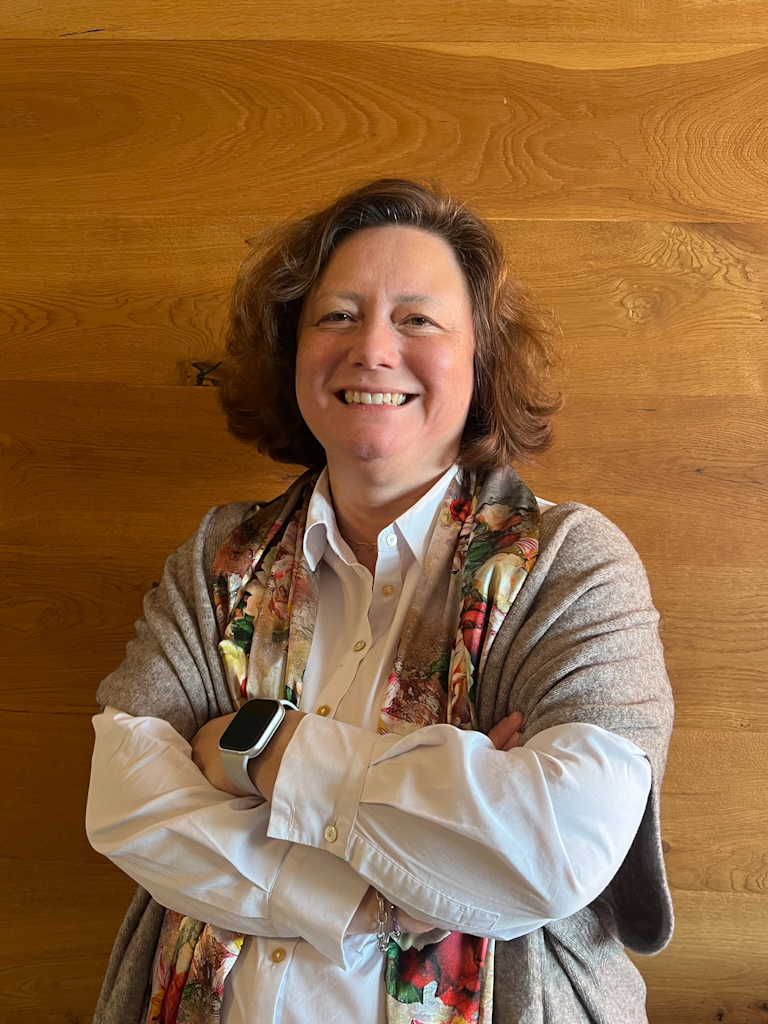
.jpg)
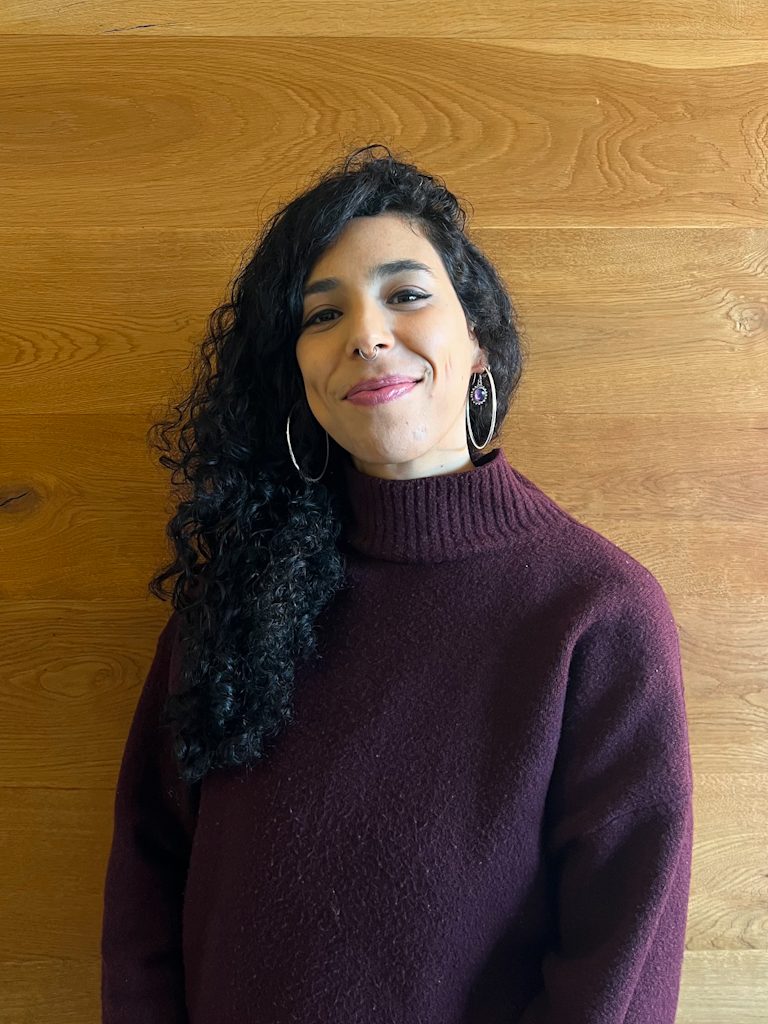
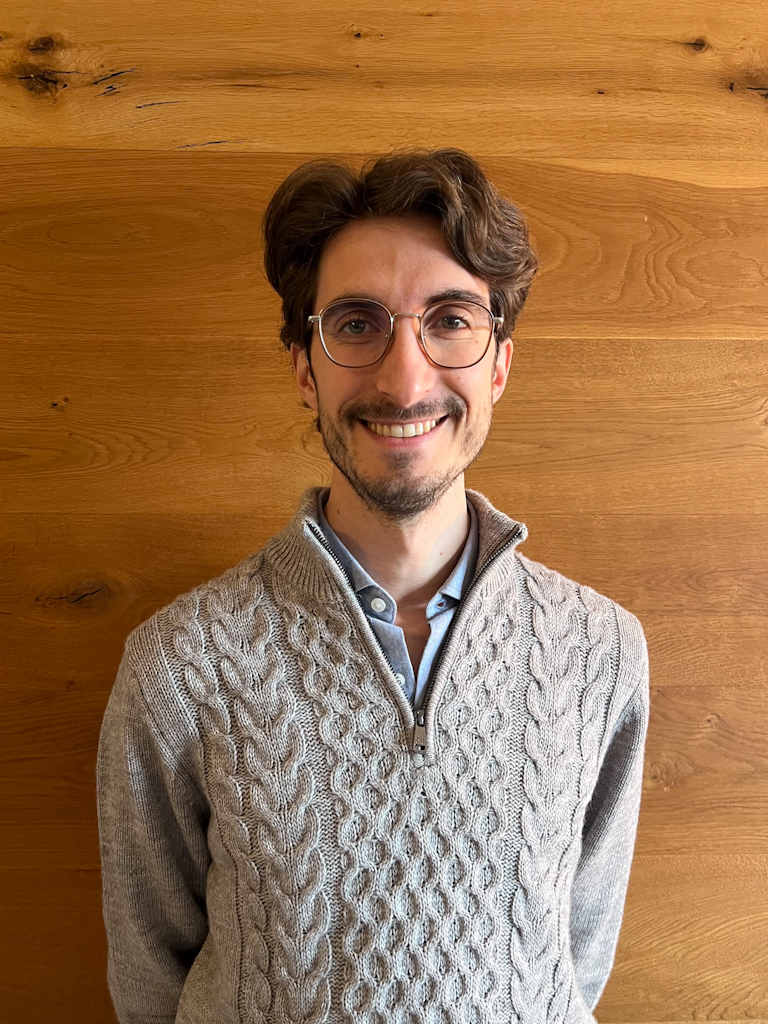

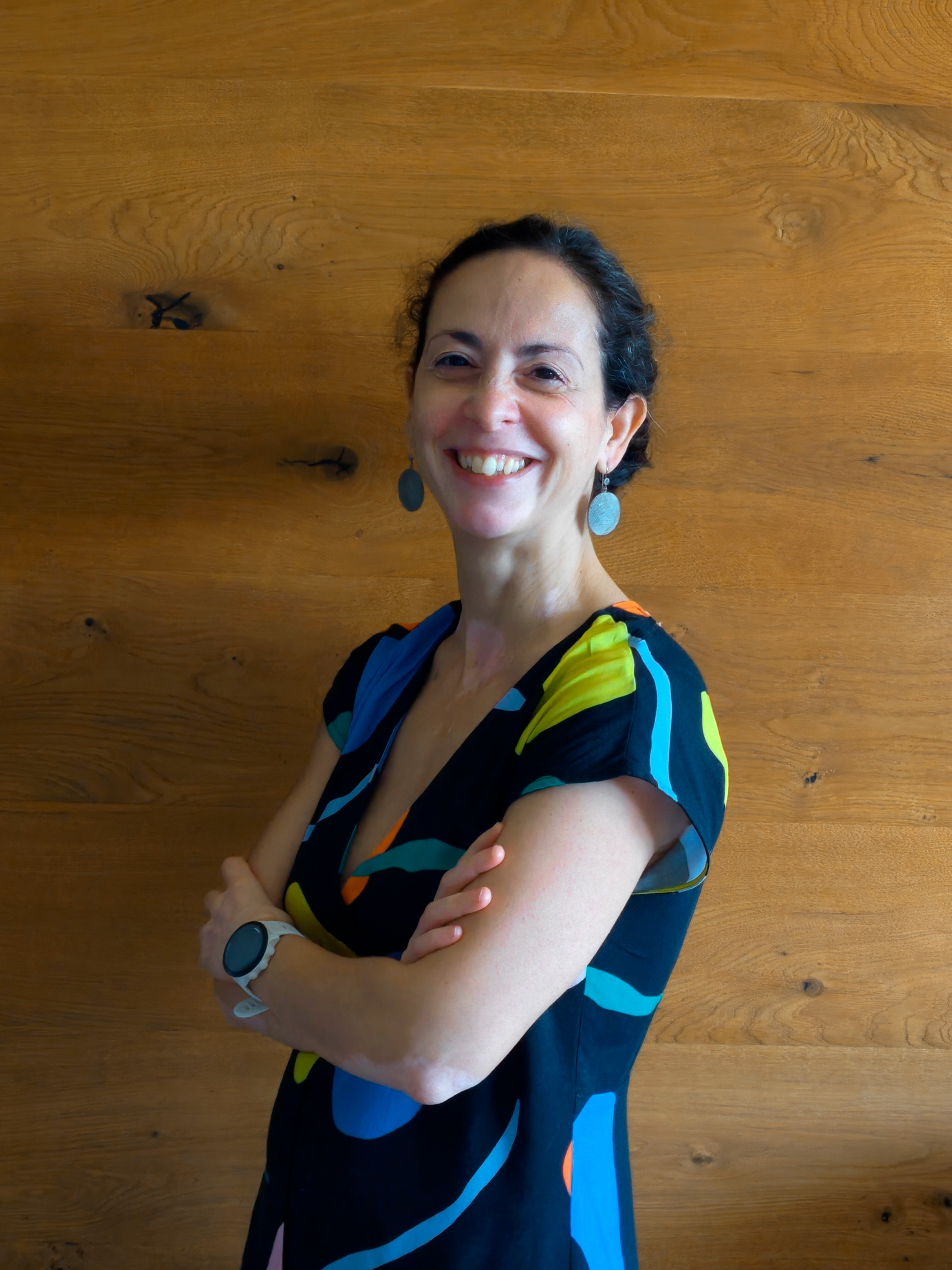
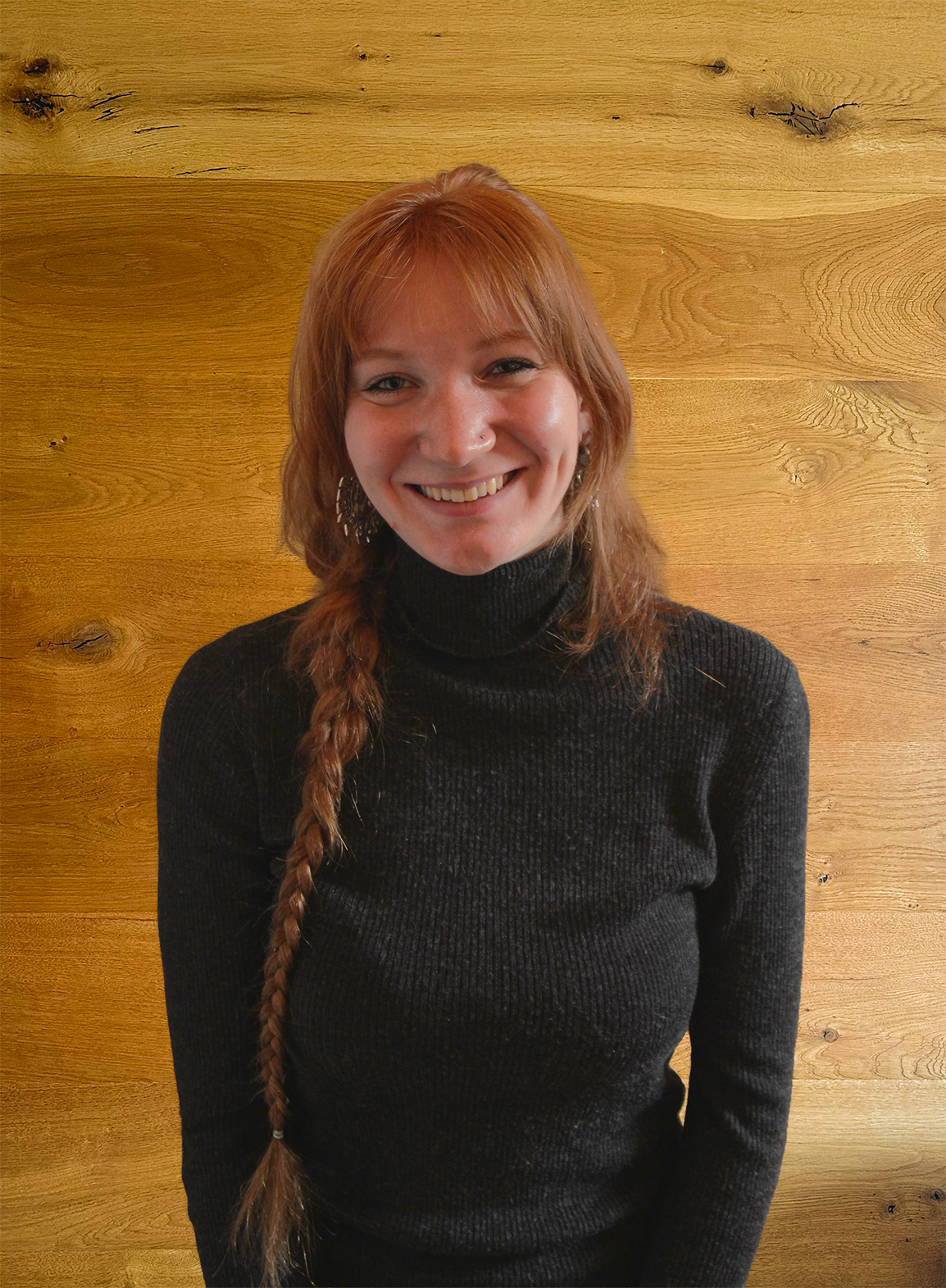
Economist with a PhD in European Integration and International Relations and over 25 years of experience in public administration. Since 2015, her work has focused on transformative innovation in local and international contexts.
Within SharedAgendas.org, she combines applied research with the design and facilitation of place-based collective processes, contributing to the development and advancement of the Shared Agendas approach for socio-technical transitions.

Architect and urban planner with a PhD in Energy and Environment, and over 20 years of experience in ecosystemic urbanism, linking ecology, urban planning and wellbeing through applied research at national and international levels.
Within SharedAgendas.org, she works on transdisciplinary approaches to cities and territories, connecting place-based and collective action with regenerative pathways and climate resilience for transformative and livable environments.
Medical doctor specialised in radiology, with an MBA in healthcare management. Since 2021, her work has focused on the intersection of planetary health, systems thinking and transformative innovation across healthcare, government and collective innovation contexts.
Within SharedAgendas.org, she works on the design and facilitation of place-based collective processes that integrate planetary health and holistic approaches to wellbeing and care.
Political scientist working on place-based collective processes for systemic change, with a focus on Mediterranean contexts and grassroots initiatives. Her work centres on the design and facilitation of collective action addressing complex social, environmental and economic challenges.
Within SharedAgendas.org, she contributes to applied research and facilitation processes that support shared direction, coordination and collective learning.
With a background in industrial engineering and a Bachelor’s degree in Philosophy, Politics and Economics, he works on place-based collective processes for systemic change, with a focus on how shared frameworks, tools and facilitation practices shape collective understanding of complex challenges.
Within SharedAgendas.org, he contributes a transdisciplinary perspective to applied research and facilitation.
Industrial design and product development engineer working on design-driven approaches to social and sustainability-oriented projects.
Within SharedAgendas.org, she is responsible for visual identity, website and graphic content, contributing to the translation of shared frameworks and tools into visual and material forms that support collective understanding and use.
Programme Manager with over 15 years’ experience across sustainability, innovation and European territorial cooperation. Holding a PhD in Communication, she specializes in coordinating diverse stakeholder communities across local and international contexts, bridging European funding instruments with place-based implementation and participatory governance.
Within SharedAgendas.org, she focuses on the connection between funding, investment and Shared Agendas, helping align capital, actors and collaborative work around place-based challenges.
Master’s student in Population and Development Sciences at the Université Libre de Bruxelles, with a particular interest in solidarity, mutual aid and collective action. She holds a bachelor’s degree in International Relations, with a focus on humanitarian aid, and has experience in local political organising.
Within SharedAgendas.org, she brings a critical and interdisciplinary perspective to the analysis of place-based collective processes, with particular attention to their implications for people, communities and collective action.
We collaborate with organisations and professionals engaged in place-based collective processes that strengthen social, environmental and economic resilience within planetary boundaries, bringing together experience from practice, facilitation, research and coordination.